


Roxicodone

Description
Living with chronic pain is exhausting, isolating, and often misunderstood. Many people who rely on medications like oxycodone (the active ingredient in Roxicodone) are simply trying to function, work, care for family, or get through the day without constant suffering. Access to appropriate pain treatment should never feel like a battle, yet it frequently does.
Understanding oxycodone (Roxicodone)
Oxycodone is a prescription opioid analgesic used for moderate to severe pain, including some chronic pain conditions when other approaches are not enough. It works by changing how the brain and nervous system respond to pain signals. Immediate-release forms (such as certain Roxicodone tablets) can help with breakthrough pain; longer-acting formulations are sometimes used for around-the-clock control under close medical supervision.
It is not appropriate for every situation. It is generally avoided right after surgery unless a person was already taking it, and it requires careful medical oversight because of risks including respiratory depression, dependence, and overdose. The lowest effective dose for the shortest time needed is the usual goal.
Common side effects can include:
- Nausea or vomiting
- Constipation
- Drowsiness or dizziness
- Headache
- Dry mouth
- Itching
- Changes in mood or sleep
- Trouble urinating
More serious risks exist, especially with higher doses, mixing with alcohol or other sedating medicines, or in people with breathing problems, certain other medical conditions, or a history of substance use. Never stop suddenly without guidance—withdrawal can be difficult. Always discuss pregnancy, breastfeeding, other medications, and full medical history with a clinician.
Access and advocacy for people in pain
Many chronic pain patients face real barriers: short appointments, stigma, insurance hurdles, pharmacy refusals, or clinicians who are overly cautious after years of shifting guidelines. This can leave people feeling dismissed or forced to choose between undertreated pain and risky alternatives.
Legitimate paths forward include:
- Working with a primary care doctor, pain specialist, or palliative care clinician who will listen and create a multimodal plan (medication when appropriate, plus physical therapy, psychological support, interventional procedures, or non-opioid options).
- Asking about written pain agreements, urine drug screening (common and protective), and clear plans for monitoring and dose adjustments.
- Using patient assistance programs, manufacturer programs, or state resources if cost is a barrier.
- Documenting your pain’s impact on daily life so clinicians understand the functional need, not just a number on a scale.
- Connecting with reputable advocacy groups that push for balanced policies—ones that reduce overdose risk while protecting access for people who genuinely need these medicines.
- Knowing your rights: in many places you can request a second opinion, transfer care, or involve a patient advocate if you feel your pain is being ignored.
Buying or seeking controlled substances without a valid prescription is illegal and unsafe. Online sources that claim “no prescription needed” are not pharmacies; they put people at risk of counterfeit products, unknown doses, contamination, and legal consequences. There is no safe, legal shortcut around medical evaluation.
If you’re struggling to get the care you need, please know you’re not alone—and you don’t have to navigate this by yourself. Start by telling your current clinician clearly how the pain limits your daily life and what has (or hasn’t) worked so far. Bring a written list of previous treatments. Ask about a referral to a pain-management or chronic-disease clinic if that feels right. Support from family, peer groups, or reputable pain-advocacy organizations can ease the isolation and strengthen your voice.
If you need help figuring out next steps, finding resources, or simply talking through the barriers you’re facing, reach out to us. We’re here to listen and support you.
Additional information
| Product Quantity | 40 Pills of 30mg at $4/pill, 120 Pills of 30mg at $3.25/pill, 180 Pills of 30mg at $3.00/pill, 240 Pills of 30mg at $2.75/pill, 60 Pills of 30mg at $4.00/pill, 90 Pills of 30mg at $3.50/pill |
|---|
ADHD

Pain Relief
There are no question found.
Related products

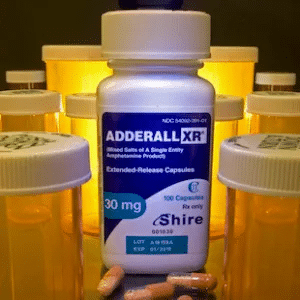
Adderall 20mg
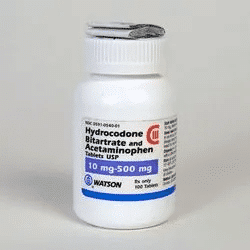
Hydrocodone 5mg
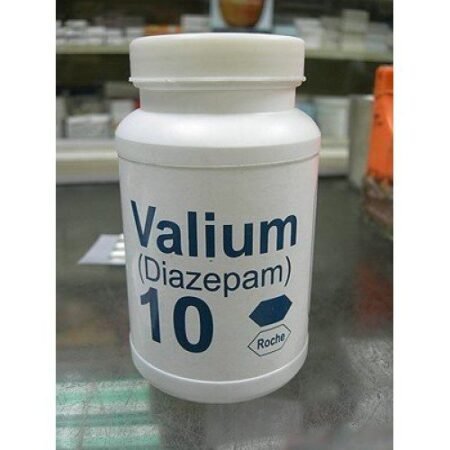
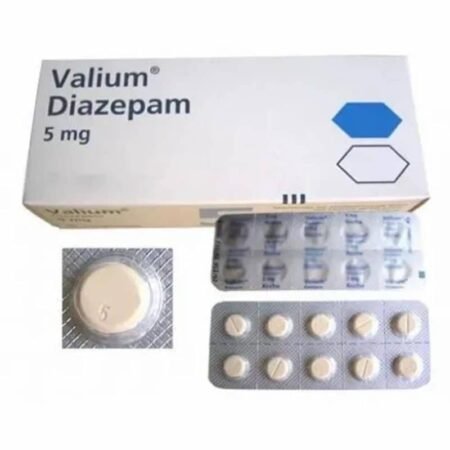
Buy Valium online
Codeine Online 30mg
Rating & Review
There are no reviews yet.